When an air conditioner struggles in a Dubai summer, the symptom you notice is rarely the root cause. Weak airflow, a tripping breaker or a puddle under the indoor unit each point to a different fault, and guessing wrong wastes both time and money.
What are the most common AC faults in Dubai?
The most common AC faults in Dubai are dirty coils, low refrigerant, blocked condensate drains, failed capacitors and weak airflow from clogged filters. Dust and heavy runtime drive almost all of them.
- Dirty condenser coils that stop the system rejecting heat outdoors
- Refrigerant undercharge from a slow leak, which lowers cooling capacity
- Blocked drain lines that overflow and leak water indoors
- Burnt capacitors or contactors that stop the compressor starting
- Frozen evaporator coils caused by restricted airflow
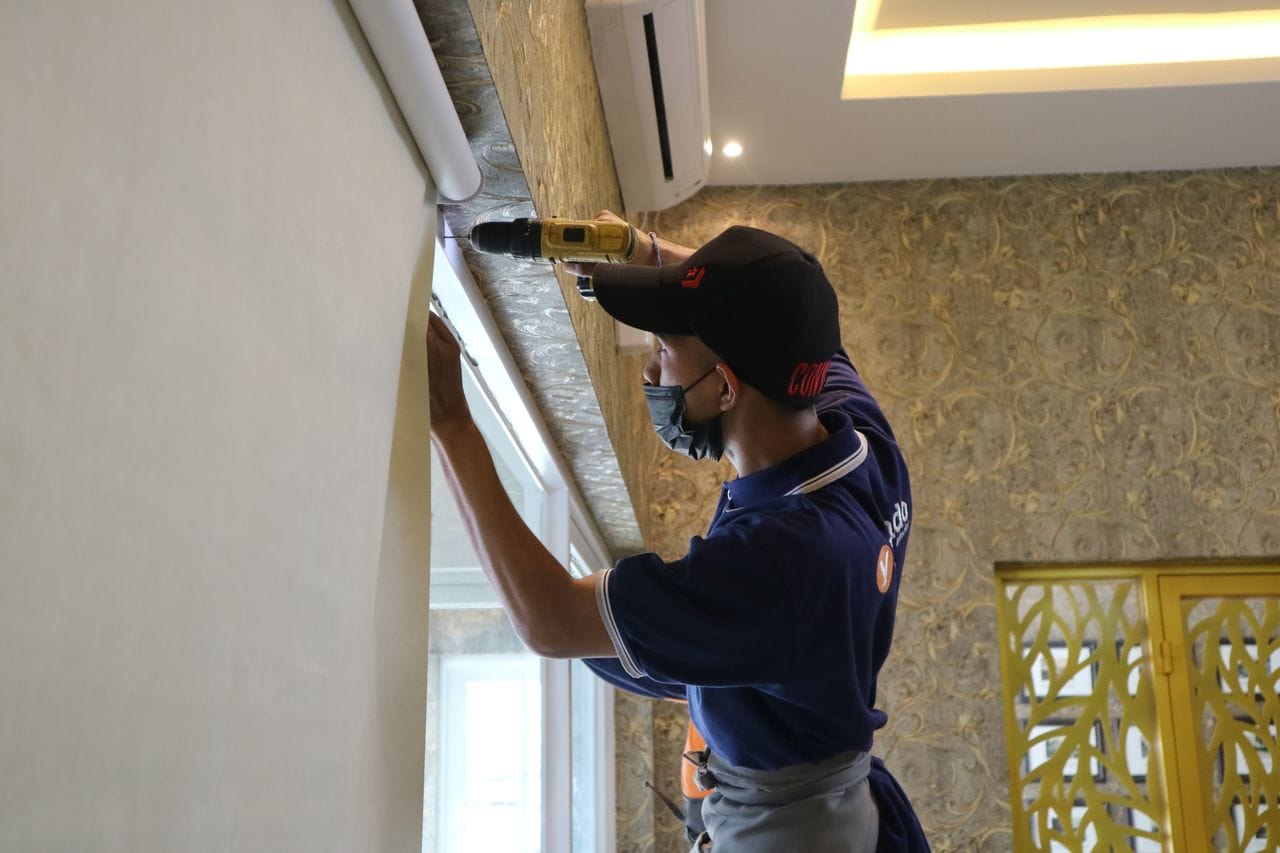
Professional AC repair in Dubai starts by measuring, not replacing. Our engineers read pressures, temperatures and current draw so the actual fault is identified before any part is changed.
Why is my AC not cooling properly?
Weak cooling usually means the system cannot move heat out of the room, and the three usual reasons are a dirty coil, low refrigerant or restricted airflow. A clean filter and coil let the unit hit its design temperature drop of roughly 8 to 11 degrees Celsius across the indoor coil; when that drop falls, cooling suffers.
Low refrigerant is different from “topping up gas” as a routine. A correctly sealed system does not consume refrigerant, so a low charge means a leak that must be found and repaired first. Simply adding gas every season hides the leak and lets the compressor run starved, which eventually destroys it. For a full assessment of your cooling setup, our HVAC repair team traces the leak rather than masking it.
Why does my AC trip the breaker?
An AC that trips the breaker is drawing more current than the circuit allows, often because of a seized compressor, a failing capacitor or a wiring fault. This is where cooling problems cross into electrical safety, and it should not be reset repeatedly without diagnosis.
Repeated tripping can mean the compressor windings are breaking down or a connection is overheating. Because the fault may sit in the distribution board rather than the unit, the circuit itself sometimes needs checking as well. Our electrical services team confirms whether the breaker, the wiring or the AC is at fault before any reset.
When should you repair rather than replace an AC?
Repair makes sense when the unit is under about ten years old and the fault is a single component, while replacement becomes sensible when the compressor fails on an old unit. The decision rests on age, repair cost against a new unit, and how efficient the current model is.
| Situation | Usual recommendation |
|---|---|
| Capacitor, fan motor or drain fault | Repair |
| Refrigerant leak at a joint or coil | Repair and reseal |
| Compressor failure on a unit over 10 years old | Consider replacement |
| Repeated failures across the season | Assess replacement for efficiency |
We give you the readings and the honest option rather than defaulting to the most expensive one.
How can you avoid repeat AC breakdowns?
Most repeat breakdowns are prevented by scheduled servicing that catches wear before it becomes failure. Clean coils, a clear drain and a tested capacitor rarely fail without warning, so a planned visit each quarter removes the usual summer surprises. Owners who want this handled automatically can move to a planned maintenance plan that keeps a record of every check.
What should you do between professional AC repairs?
Between repairs, the most useful thing you can do is keep the filters clean and the area around the outdoor unit clear. A choked filter is behind many of the faults an engineer is later called to fix, so washing or replacing it on schedule prevents the frozen coils and weak airflow that follow. Keep the outdoor condenser free of dust, bags and plant growth so it can breathe, and leave a clear space on each side. If you notice a new noise, a smell or water where there was none, note when it happens, because that detail speeds up the next diagnosis considerably.
Get a clear diagnosis for your AC
A reliable repair begins with a measured diagnosis, not a swapped part and a hopeful restart. If your unit is cooling poorly, leaking or tripping, describe the symptom and your location through our contact page and an engineer will test the system, explain the fault in plain terms and quote only the work it needs.